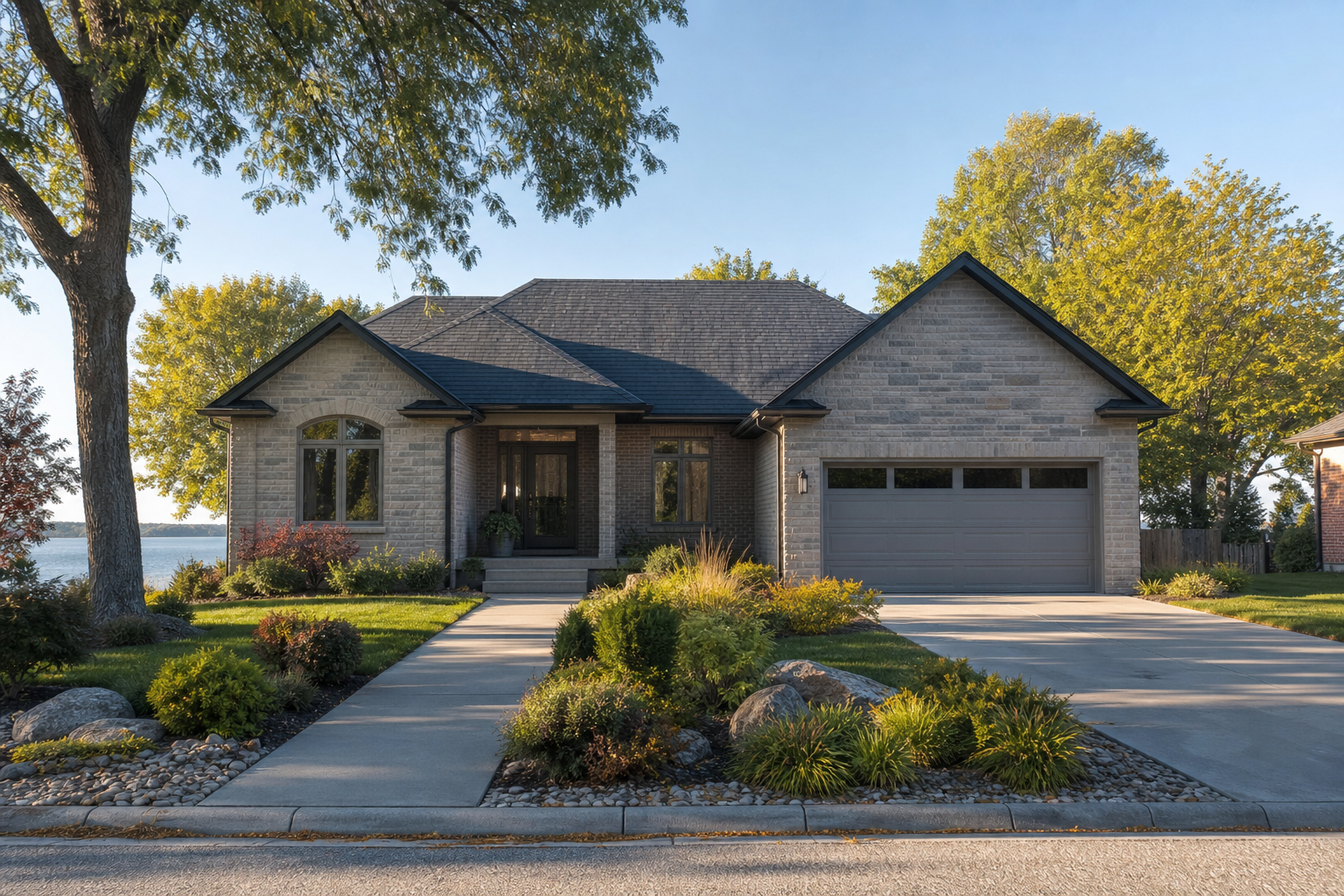
Downsizing in Windsor–Essex: Guide for Empty Nesters

What does downsizing in Windsor–Essex actually involve for empty nesters?
Downsizing in Windsor–Essex means selling your larger family home, unlocking the equity you've built over the years, and buying a smaller property that costs less to maintain and better fits your life right now. Done well, it frees up cash, reduces your monthly costs, and puts you in a home that works for you, not for the family you used to have. Done without a plan, it creates stress, timing gaps, and decisions you'll second-guess for years.
I've lived in Lakeshore for over 23 years and I've walked a lot of empty nesters through this exact transition. Here's what the process actually looks like from the inside.
Getting Your Head Around the Decision Before the Paperwork Starts
The biggest mistake I see downsizers make is treating this as a purely financial transaction before they've sorted out what they actually want. The numbers matter, a lot, but so does the question of where you want to land.
Start by asking yourself a few honest questions:
- Do you want to stay in the same community, or is this a chance to move to a different part of Windsor–Essex?
- Are you looking for a bungalow, a condo, or a townhouse? Each comes with very different maintenance demands and costs.
- Do you want to be closer to the waterfront areas like St. Clair Beach or Lighthouse Cove, or does a quieter inland community like Comber or Woodslee appeal to you?
- How important is proximity to healthcare, transit, or family?
These aren't small questions, and I'd rather spend 30 minutes on them with you before we look at a single listing than have you fall in love with a condo in LaSalle and realize six months later it's not what you actually wanted.
The Equity Picture
Most Windsor–Essex homeowners who bought 15 or 20 years ago are sitting on significant equity. That equity gap between your current home and your next one is often what funds retirement upgrades, travel, or simply a more comfortable financial cushion. According to CMHC's Housing Market Outlook, Ontario homeowners in established communities have seen substantial long-term price appreciation, making the equity-unlock at downsizing one of the most meaningful financial moves available to this age group.
Because your primary residence qualifies for the principal residence exemption under the Canada Revenue Agency's rules, you generally won't owe capital gains tax on the profit from selling the home you've lived in. That's a significant advantage, one that's worth confirming with your accountant for your specific situation, especially if you've ever rented part of the property.
The difference between what you net from your sale and what you spend on your next home is your downsizing dividend. What that number looks like depends on your specific home, its condition, and what the market is doing when you list. That's exactly the conversation I have with every downsizing client before we talk price or timing, and it's one you can start with a free market analysis of your current home.
The Sell-First vs. Buy-First Question
This is the question I get most often from empty nesters, and there's no universal right answer. But here's how I think about it in the Windsor–Essex market.
Selling First
Selling your current home before buying your next one gives you a clear picture of exactly how much you have to work with. You're not carrying two mortgages, and you're not making a purchase under financial pressure. The downside is the potential gap, you may need temporary housing between your closing date and your next purchase. In Windsor–Essex, that gap is manageable. Short-term rentals, staying with family, or negotiating a longer closing on your sale are all real options I've used with clients.
Buying First
Buying before you sell means you secure the property you want without the risk of losing it while your sale is still pending. But it introduces bridge financing risk. If your current home takes longer to sell than expected, you're carrying costs on both properties. Bridge financing through your lender can cover the gap, but it comes at a cost, verify the terms with your mortgage professional before you go this route.
For most of my downsizing clients, I lean toward sell-first in a balanced or slower market, and I help them negotiate a closing timeline that creates enough runway to find and firm up their next home. In a fast-moving market, that math can shift. The only way to know which approach is right for your situation is to look at the current inventory in your target price range and the realistic sale timeline for your existing home.
Conditions Are Your Safety Net
Whether you sell first or buy first, conditions on financing and home inspection in your purchase offer are not a sign of weakness, they're the tools that protect you. An empty nester moving into a condo, for example, should always include a condition allowing time to review the status certificate, which reveals the financial health of the condo corporation and any outstanding special assessments. I won't let a client waive that condition without understanding exactly what they're accepting.
Where Empty Nesters Are Landing in Windsor–Essex
Windsor–Essex gives downsizers a genuinely wide range of options, from walkable urban neighbourhoods in Windsor to quieter lakefront communities and small towns with strong community character. Here's a practical breakdown of what different parts of the county offer.
| Area | Property Types Common for Downsizers | What Appeals to Empty Nesters |
|---|---|---|
| South Windsor | Bungalows, condos, townhouses | Walkability, amenities, established neighbourhood feel |
| LaSalle | Bungalows, newer condos | Quieter pace, newer builds, waterfront access nearby |
| Tecumseh / Belle River | Bungalows, townhouses | Community feel, proximity to Lake St. Clair |
| Lakeshore (St. Clair Beach, Lighthouse Cove) | Bungalows, waterfront properties | Waterfront lifestyle, lower density, natural setting |
| Amherstburg / Kingsville / Leamington | Bungalows, small-town properties | Slower pace, lower price points, strong local character |
| Comber / Woodslee | Bungalows, rural properties | Very low density, larger lots at lower prices |
The right fit depends on what matters most to you day-to-day. I've helped clients downsize from a four-bedroom in Lakeshore into a bungalow in Belle River and others who moved from Windsor into a condo in Kingsville. There's no one-size answer, but there is a right answer for you specifically, and it usually becomes clear quickly once we talk through your priorities.
For a broader look at how the Windsor–Essex market is performing right now, the April 2026 market update on my site breaks down current sales ratios and what they mean for both buyers and sellers. And if you're earlier in your thinking and just want a starting framework, my simple downsizing overview for Windsor–Essex homeowners is a good place to begin.
Ontario Land Transfer Tax
One cost that catches some downsizers off guard is the Ontario land transfer tax on your purchase. This is calculated on a sliding scale based on the purchase price of your next home, and it's payable on closing through your real estate lawyer. You can find the current rate structure directly on the Ontario Ministry of Finance's land transfer tax page. If you haven't bought a home in many years, this may be a number you haven't thought about recently, your lawyer will calculate it precisely, but it's worth understanding the category your target purchase price falls into before you finalize your budget.
First-time buyers get a rebate on this tax, but if you're a current homeowner downsizing, that rebate won't apply to you. What may still be relevant, depending on your situation, is the RRSP Home Buyers' Plan, though it's specifically designed for first-time buyers, so confirm your eligibility with your accountant if you think it might apply.
The Practical Side of the Move Itself
Downsizing from a home you've lived in for 15 or 20 years means dealing with a lot of stuff. That's not a small thing. I've seen clients underestimate this part and end up rushed and overwhelmed right before closing. A few things that help:
- Start the decluttering process at least 60 to 90 days before you list, not after you accept an offer.
- Consider an estate sale company or donation organizations for furniture and items that won't fit your next space.
- Get quotes from at least two local moving companies and book early, good movers in Windsor–Essex fill up.
- Think about your closing dates strategically. A longer closing on your sale (60 to 90 days) gives you more time to sort, pack, and find your next home without feeling rushed.
The 2026 guide to selling your home in Windsor or Lakeshore covers the preparation and listing side of this in more detail if you want a deeper look at what getting your home ready actually involves.
Frequently Asked Questions
How do I know if now is a good time to downsize in Windsor–Essex?
The best time to downsize is when it aligns with your life, not just the market. That said, market conditions do affect both what you'll net on your sale and what you'll pay for your next home. In Windsor–Essex, a balanced or buyer-leaning market can actually work in your favour as a downsizer, you may give up a little on the sale side, but you gain it back (and then some) on the purchase. A current market analysis of your specific home is the only way to know what your numbers actually look like today.
Should I pay off my mortgage before I downsize?
Not necessarily. Many downsizers carry a small remaining mortgage balance that gets discharged on closing from the sale proceeds, handled through your real estate lawyer. If you're considering carrying a new mortgage on your smaller property, speak with a mortgage professional about current stress test requirements under OSFI's B-20 guidelines, they apply even when you're borrowing a smaller amount. Your situation may allow you to buy your next home outright with cash from your sale, which simplifies things considerably.
What's the difference between a condo and a bungalow for downsizers in Windsor–Essex?
A condo eliminates exterior maintenance (lawn, snow, roof) and typically comes with a monthly condo fee that covers those costs, but you'll want to review the status certificate carefully to understand the corporation's financial health and any upcoming special assessments. A bungalow gives you more space, a yard, and no shared-governance structure, but you're responsible for all maintenance yourself. Many of my downsizing clients in Lakeshore and Tecumseh prefer bungalows for the space and privacy; those moving into South Windsor or LaSalle often lean toward condos or townhouses for the reduced upkeep.
Will I owe capital gains tax when I sell my family home?
In most cases, no. If the home has been your principal residence, the principal residence exemption shelters the gain from capital gains tax. There are edge cases, if you've rented part of the property, used it for a home business, or it wasn't your principal residence for all years of ownership, where partial tax may apply. Confirm your specific situation with your accountant before you list.
How long does the downsizing process typically take in Windsor–Essex?
From the first conversation to keys in hand on your new property, most of my downsizing clients are looking at three to six months when they go in with a clear plan. The variables are how quickly your current home sells, how long it takes to find the right smaller property, and the closing timelines you negotiate. Rushing the process is the most common source of regret, giving yourself a realistic runway makes the whole transition smoother.
Your Next Step
Downsizing well in Windsor–Essex comes down to one thing: having a clear picture of both sides of the transaction before you commit to either. What your current home is worth in today's market, what your target property type and area actually costs, and how to sequence the two moves so you're not caught in a gap, that's the conversation that makes everything else easier.
I work with empty nesters across Windsor–Essex every year, and I know this market from both sides. If you're thinking about making this move in the next six to twelve months, the best thing you can do right now is get a current read on your home's value and talk through your options before you're under any pressure to decide. Book a no-obligation consultation with me and we'll start with the numbers that actually matter for your situation.
This article is provided for general informational purposes only and does not constitute legal, tax, or financial advice. Real estate regulations, tax rules, and market conditions change, confirm your specific numbers and circumstances with your real estate lawyer, accountant, lender, or mortgage professional before making any decisions. Kris Ramotar is licensed under the Real Estate Council of Ontario (RECO). Equal Housing Opportunity.
Recent Posts