Moving from the GTA to Lakeshore Ontario
Moving from the GTA to Lakeshore Ontario
Moving from the GTA to Lakeshore, Ontario means trading higher prices and urban density for lakefront living, more space, and a slower pace, at a composite benchmark price of $586,600 in June 2026, roughly a fraction of typical GTA costs. It suits remote workers and full relocators more than daily GTA commuters.
What should I know before moving from the GTA to Lakeshore, Ontario?
Lakeshore, Ontario sits along Lake St. Clair in Windsor–Essex County, about 350 km from downtown Toronto. The composite benchmark home price in Windsor–Essex reached $586,600 in June 2026, according to the most recent data available, a fraction of typical GTA pricing. The move suits remote workers, full relocators, and families seeking more space and a lakefront lifestyle, but the roughly four-hour drive each way makes daily GTA commuting impractical for most people.
Key Takeaways
- The Windsor–Essex composite benchmark price was $586,600 in June 2026, up 1.7% year-over-year from $576,800 in June 2025, according to the June 2026 Windsor–Essex HPI market report.
- Lakeshore is approximately 350 km from Toronto, with a typical driving time of roughly four hours each way under normal conditions, this is a full-relocation move, not a commuter move.
- The Municipality of Lakeshore has a population of over 40,000 and is one of the fastest-growing communities in Windsor–Essex County as of 2026.
- Lakeshore offers lakefront recreation on Lake St. Clair, newer subdivisions, rural acreages, and a car-oriented, lower-density lifestyle that differs sharply from most GTA suburbs.
- Many Lakeshore residents work in Windsor or within Lakeshore itself, remote and hybrid workers moving from the GTA are the best fit for this relocation path.
How does the Lakeshore housing market compare to the GTA?
This is the first question almost every GTA family asks me, and the short answer is: the gap is significant. The most recent Windsor–Essex data, from the June 2026 HPI market report, puts the regional composite benchmark at $586,600, up 1.7% year-over-year from $576,800 in June 2025. That modest, steady appreciation is a very different story from the volatility many GTA buyers have lived through.
For context, CREA's national housing data consistently shows the Greater Toronto Area benchmark well above the $1 million mark. The dollar difference means that buyers coming from the GTA can often upsize substantially, more square footage, a larger lot, or a property with water access, while potentially carrying a smaller mortgage than they left behind.
That said, Windsor–Essex is not a buyer's market where you can lowball freely. Competition in key price bands is real, and well-priced homes in Lakeshore move. The market here is more balanced than what GTA buyers are used to, but balanced doesn't mean sleepy.
What kinds of properties will I find in Lakeshore?
Lakeshore covers a range of property types that you simply won't find in most GTA communities at comparable prices. Newer subdivision homes, rural acreages, and lakefront properties on Lake St. Clair all exist within the municipality. Proximity to the lake, the age of the build, and distance to Windsor employers all influence price and competition level, and that's exactly the kind of local nuance worth talking through before you start making offers.
If you're thinking about upsizing as part of this move, I've written a dedicated post on upsizing in Lakeshore, Ontario that walks through what that decision actually looks like on the ground here.
| Market Metric | Windsor–Essex (June 2026) |
|---|---|
| Composite Benchmark Price | $586,600 |
| Year-Over-Year Change | +1.7% (from $576,800 in June 2025) |
| Market Character | Balanced; competition varies by price band |
| Data Source | Windsor–Essex HPI Market Report, June 2026 |
What is the lifestyle really like in Lakeshore compared to the GTA?
This is where the move either clicks or doesn't for most people. Lakeshore is lower-density, car-dependent, and genuinely slower-paced. If you're coming from a walkable Toronto neighbourhood or a transit-connected Mississauga suburb, that shift is real and worth thinking through honestly.
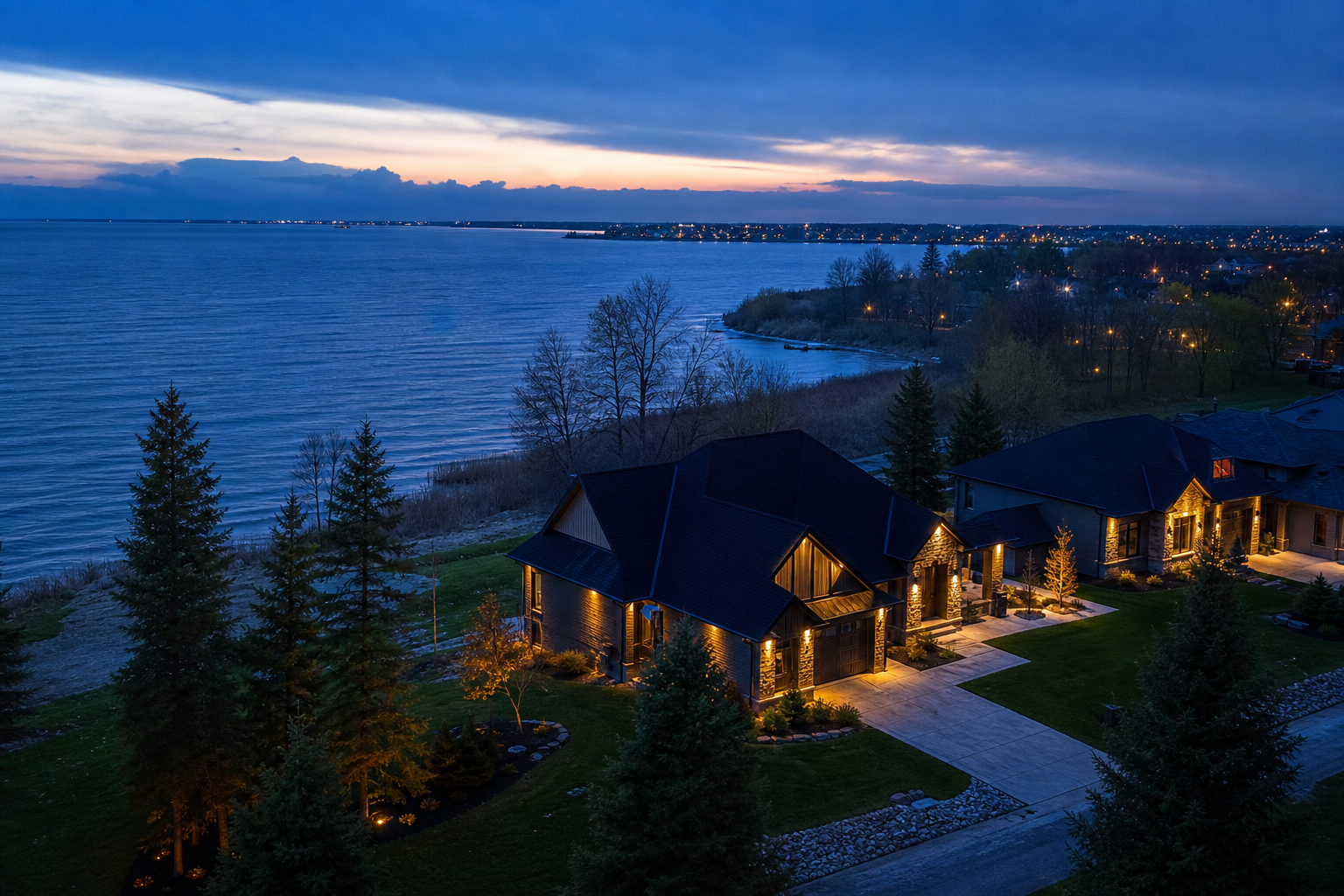
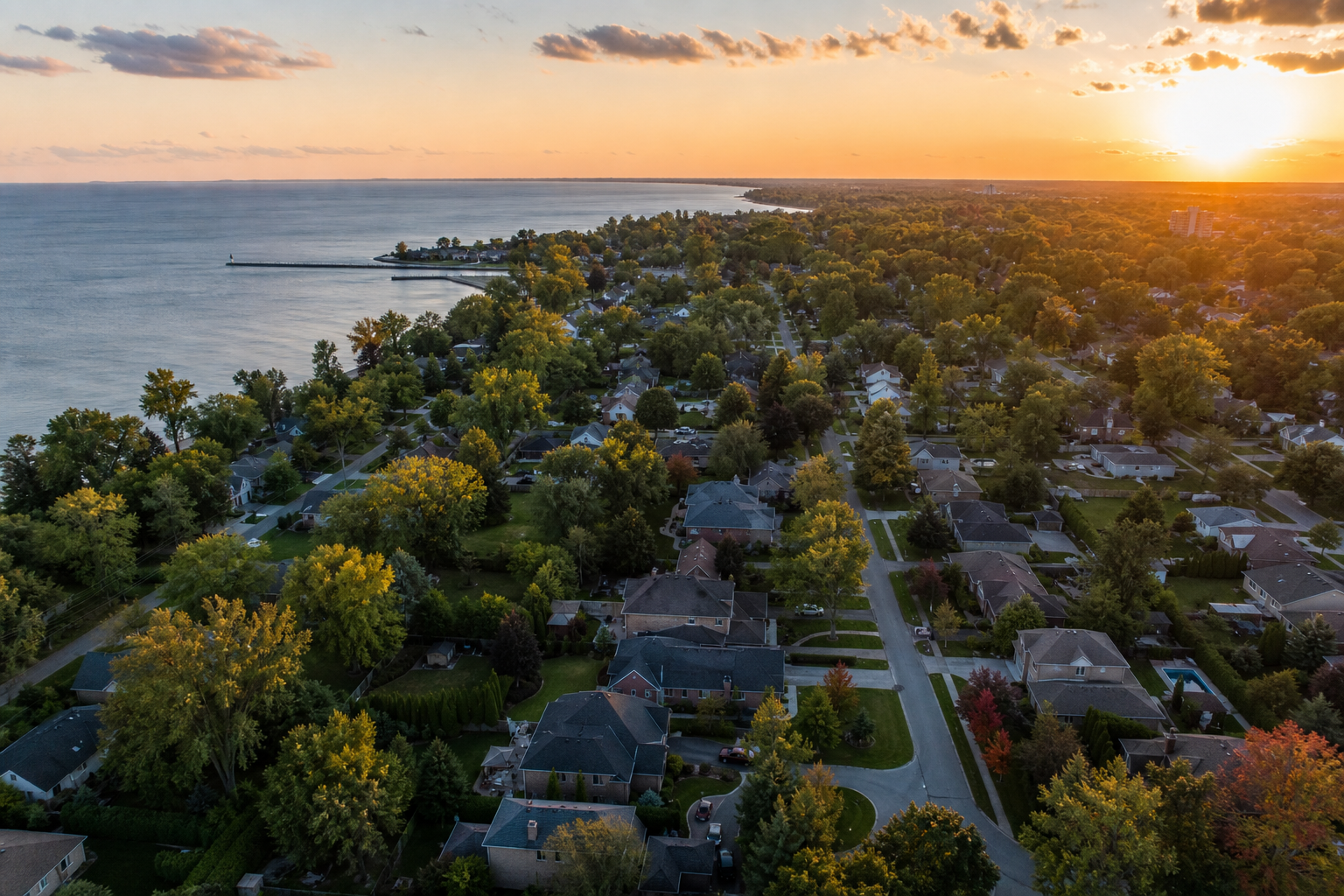
What Lakeshore offers in return is hard to replicate in the GTA at any price. The municipality sits along Lake St. Clair, and the waterfront lifestyle here, boating, fishing, lakeside parks, marinas, gives everyday life a cottage-country feel. According to the Municipality of Lakeshore, the community has a population of over 40,000 and is one of the fastest-growing in the region, which means ongoing investment in recreation complexes, sports fields, and community programming.
The municipality brands itself as family-focused and community-event-driven, and in my experience living here for over 23 years, that's accurate. Neighbours know each other. Local sports associations are active. The pace of life is genuinely different from the GTA's constant forward momentum, and for many families I've helped relocate, that's exactly the point.
What about access to urban amenities?
Lakeshore is not isolated. Windsor is a short regional drive west, giving residents access to hospitals, the University of Windsor, shopping centres, and cross-border access to Detroit. CMHC's housing research consistently points to mid-sized Canadian cities as offering strong livability metrics at lower cost, Windsor–Essex fits that profile well.
What you won't have is the GTA's transit network. Car ownership is essential here. That's a genuine trade-off, and I'd rather you know it going in than be surprised after closing.
Is commuting to the GTA from Lakeshore realistic?
No, not on a daily basis. Rome2rio's routing data puts the road distance between Lakeshore and Toronto at approximately 347–354 km, with a typical driving time of roughly four hours each way under normal Highway 401 conditions. A train-based trip runs about four hours and 28 minutes. Flying is the fastest option at around an hour and 22 minutes of flight time, not counting ground transfers on either end.
That math rules out daily commuting for almost everyone. This move works best for remote workers, hybrid workers who travel to the GTA periodically, retirees, and families making a full relocation. If your employer requires regular in-person presence in Toronto, Lakeshore is not the right base, and I'll tell you that directly rather than let you figure it out after you've bought.
For those who do work locally, many Lakeshore residents commute west into Windsor for employment in automotive manufacturing, healthcare, logistics, and education. Others work within Lakeshore itself in retail, hospitality, or municipal services. The federal employment data from ESDC and the Ontario Ministry of Labour can give you a broader picture of regional labour market conditions if you're researching job options before the move.
What about the mortgage side of this move?
If you're selling a GTA property and buying in Lakeshore, the equity position can be substantial. A CMHC-insured mortgage requires less than 20% down and triggers mortgage default insurance, but many GTA sellers arrive in this market with enough equity to put 20% or more down on a Windsor–Essex home and carry a conventional mortgage instead. The Bank of Canada's rate environment in 2026 is worth reviewing with your lender before you list in the GTA, since your purchasing power here depends on both your equity and the stress test qualification at current rates. Verify your own numbers with your lender, every situation is different.
Ontario's provincial land transfer tax applies to your purchase here, and first-time buyers may qualify for a rebate through the Ontario Land Transfer Tax rebate program. Your real estate lawyer will handle the closing, and the deposit sits in trust until closing day, the process is straightforward, but it's worth having a local lawyer lined up early.
If you want the full picture of what buying in this market looks like from the ground up, the complete 2026 guide to buying, selling, and relocating to Lakeshore covers the process in detail.
I've helped over 160 families make moves across Windsor–Essex County, and the GTA-to-Lakeshore path is one I know well. The right move for you depends on your work situation, your family's priorities, and what you actually want your day-to-day life to look like. That's a conversation worth having before you start booking showings.
Read what past clients have said about working with me on Google and Zillow.
FAQ: Moving from the GTA to Lakeshore, Ontario
Is it cheaper to buy a house in Lakeshore than in the GTA?
Yes, significantly. The Windsor–Essex composite benchmark price was $586,600 in June 2026, according to the most recent HPI market report, well below typical GTA benchmark prices tracked by CREA. That gap means most GTA sellers arrive in this market with meaningful equity and considerably more purchasing power per dollar.
How long does it take to drive from Lakeshore to downtown Toronto, and is commuting realistic?
The drive is roughly 347–354 km and takes about four hours each way under normal Highway 401 conditions, according to Rome2rio's routing data. Daily commuting is not realistic for most people, this move works best for remote workers, hybrid workers, or those making a full relocation away from GTA employment.
What kind of lifestyle can I expect in Lakeshore, is it rural, suburban, or small-town?
Lakeshore is a blend of all three. Newer subdivisions sit alongside rural acreages and lakefront homes on Lake St. Clair, and the overall feel is lower-density and car-dependent compared to GTA suburbs. The Municipality of Lakeshore emphasizes its waterfront recreation, community programming, and family-focused growth, it's genuinely slower-paced, and most people who move here from the GTA say that's the whole point.
How competitive are offers in Windsor–Essex, are homes selling way over asking like in the GTA?
The Windsor–Essex market is more balanced than the GTA's peak frenzy, but competition in popular price bands is real. The 1.7% year-over-year benchmark appreciation in June 2026 reflects steady, measured growth rather than dramatic swings. Well-priced homes in Lakeshore do attract multiple offers, conditions on financing and inspection are still normal here and worth keeping in your offer to protect yourself.
Is Lakeshore really one of the fastest-growing communities in Windsor–Essex, and what does that mean for property values?
Yes, the Municipality of Lakeshore describes itself as one of the fastest-growing communities in the region, with a population now over 40,000. Growth typically brings infrastructure investment, new schools, and sustained housing demand, which supports long-term property values, though no market comes with guarantees, and conditions can shift. A local market analysis is the best way to assess what growth means for a specific property you're considering.
The GTA-to-Lakeshore move is one of the most rewarding relocations I help families make, more space, a lakefront lifestyle, and a price point that actually lets people breathe financially. But it's a move that deserves a clear-eyed look at the trade-offs before you commit. Book a no-pressure consultation and I'll walk you through exactly what the move looks like for your situation.
Equal Housing Opportunity. Kris Ramotar is licensed under the Real Estate Council of Ontario (RECO). This article is general information only and does not constitute legal, tax, or financial advice, confirm your own costs and circumstances with your real estate lawyer, tax advisor, or mortgage lender.
Recent Posts